

How to Get Your Car Ready for a Northern Indiana Winter
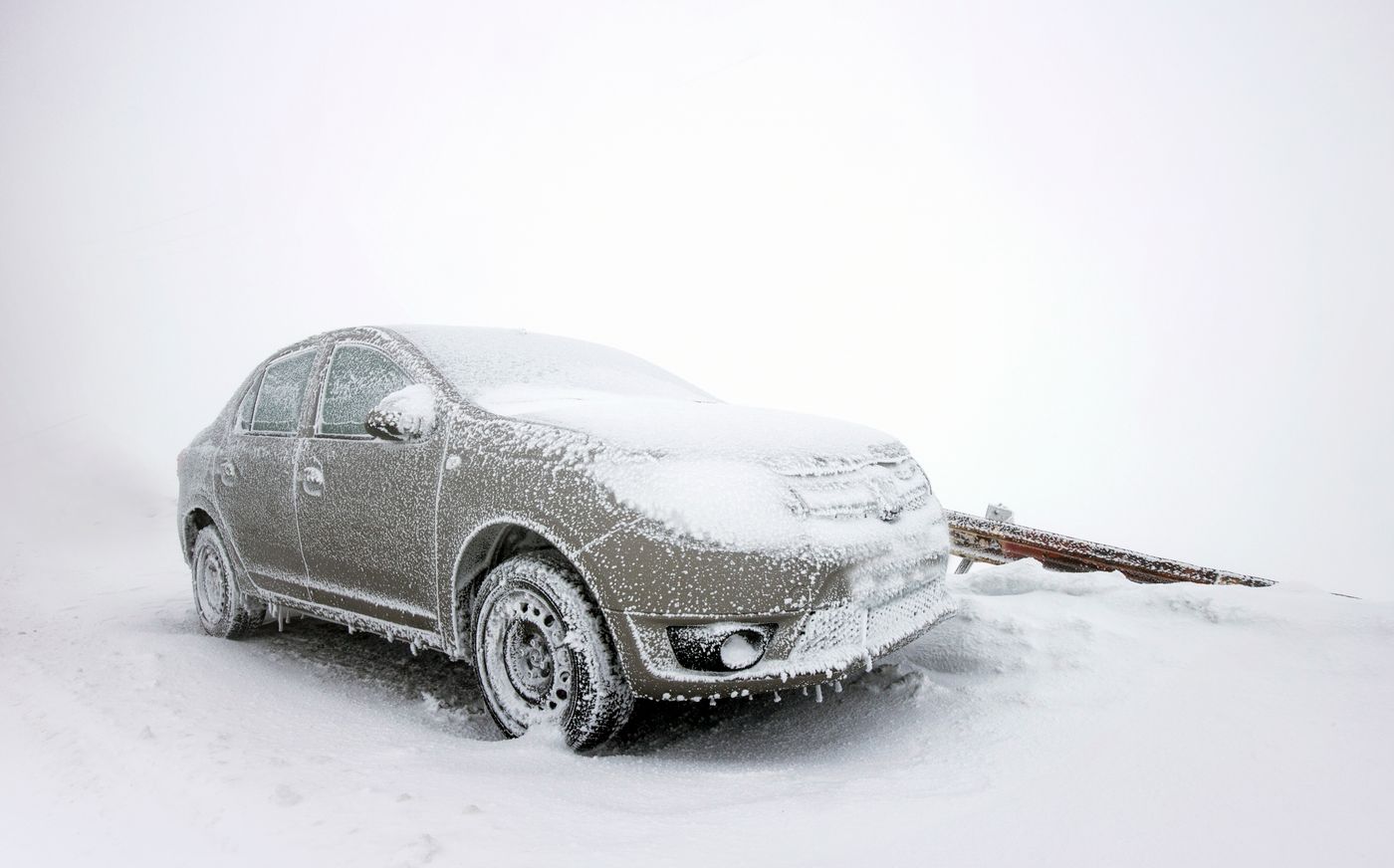
- The battery is the number one winter failure. Get it tested before the first hard freeze, especially if it’s more than three or four years old.
- Check your coolant mix, your tire tread and pressure, and your wipers and washer fluid.
- Make sure the heater and defroster work now, not on the first icy morning.
- Put a winter kit in the trunk: blanket, flashlight, jumper cables, a small shovel, and some kitty litter for traction.
- Late October to early November is the sweet spot. Early enough to beat the rush, late enough that it counts.
Every year there’s a morning in November when half of Elkhart County walks out to a car that won’t start. The shop phones light up, and everybody who meant to “get the car ready for winter” wishes they had.
You do not have to winterize your car all at once, and it is not complicated. It’s a short list, and most of it is checking things before they fail. Here’s the list we’d go through on our own cars.
Why Northern Indiana winters are hard on cars
It’s not just the cold. It’s the swings. We can go from 40 degrees to single digits in a day, and lake-effect snow off Lake Michigan can drop a surprise band of heavy snow on US-20 while Goshen gets flurries. Then come the road salt, the potholes from freeze and thaw, and the slush that refreezes overnight.
That is why we tell people to winterize your car before the swings start. It all hits the same few parts: the battery, the tires, the wipers, and anything with rubber or fluid in it. So that’s where we focus.
The checklist to winterize your car
Cold weather cuts battery power right when the engine needs more to start. A battery that’s weak in October will leave you stranded in January.
The right mix keeps the engine from freezing and keeps your heater working. Low or watered-down coolant is trouble either way.
Tread depth and pressure. Tires lose pressure as it gets colder, and worn tread has almost nothing to grip snow with.
New blades, and winter washer fluid with de-icer. Summer fluid can freeze in the lines on a cold morning.
If you can’t clear the windshield, you can’t drive safely. Test them now while it’s still easy to get in for a fix.
You need every bit of stopping power on slick roads, and every light working on those dark 5 p.m. drives home.
That lines up with the Indiana State Police winter driving tips, which list refilling antifreeze, checking your brakes, replacing wiper blades, checking your battery, and refilling washer fluid.
The battery: test it before it quits
If you only do one thing to winterize your car, do this one. Batteries rarely give much warning. They seem fine all summer, and then the first cold snap is the day they finally can’t turn the engine over.
Warning signs to watch for: the engine cranks slower than it used to, the headlights dim when you start the car, or you’ve needed a jump once already. Corrosion on the terminals, that white or blue crust, is another clue. Most batteries last somewhere around three to five years, and our cold winters are at the hard end of that.
A battery test is quick. If yours is weak, replacing it in the shop on your schedule beats replacing it in a parking lot at 7 a.m. If your car is already having trouble starting, we covered the battery vs. starter vs. alternator question in why won’t my car start.
Tires, heat, and the rest
Tires. Check your tread with the penny test, one of the quickest ways to winterize your car: put a penny in the tread with Lincoln’s head down. If you can see the top of his head, your tread is too worn for winter. Check pressure once a month too, since it drops as the temperature does. A car that suddenly starts pulling in the fall often just has a low tire, which we explained in why is my car pulling to one side.
Heat and defrost. Turn them on now and make sure you get real heat. If your heater is blowing cold, read why is my car heater blowing cold air. It’s often tied to the cooling system, so it’s worth fixing before real winter.
Oil. If you’re close to due, get it done before winter. Here’s how often you really need an oil change.
Wash off the salt. Road salt eats brake lines and the underside of the car. A car wash with an underbody spray every few weeks through the winter goes a long way, especially on older vehicles.
What to keep in the car
If you slide into a ditch on a county road at night, it might be a while before help gets there. The Indiana State Police suggest keeping these in your car:
- Blankets
- A flashlight and extra batteries
- A brightly colored cloth, to tie on the antenna or door so you’re easy to spot
- Sand or a bag of kitty litter, for traction if you’re stuck
- A small shovel
- High-calorie snacks like nuts, raisins, and candy bars
- A first aid kit and jumper cables
We’d add a phone charger cord and an ice scraper. And keep your gas tank at least half full all winter. It gives you a reserve if you’re stuck and need to run the engine for heat, as long as the tailpipe isn’t blocked by snow.
If you do end up stuck: stay with your car unless you can see a safe building close by. Clear snow away from the tailpipe before running the engine, and crack a window. The steps in what to do when your car breaks down apply in winter too.
Let us do the check for you
If you would rather not winterize your car in a cold driveway, bring it in. We’ll test the battery and charging system, check the coolant, look at the belts, hoses, brakes, and tires, and make sure the heater and defroster are doing their job. You’ll get an honest list of what needs attention now and what can wait.
Costs vary by make and model, and we’ll check it out at no cost. See everything we work on or set up a time. For more general tips, the Car Care Council’s guide is a good one to keep handy.
And if winter still gets the better of your car, we tow too. Winterize your car now and most of this never comes up.
Quick answers
When should I winterize my car in Indiana?
Late October to early November is ideal. That’s before the first hard freeze and before the rush of people who wait until their car won’t start.
What does winterizing a car include?
Testing the battery, checking the coolant mix, checking tire tread and pressure, replacing wipers and switching to winter washer fluid, and making sure the heater, defroster, brakes, and lights all work.
How do I know if my battery will make it through winter?
You can’t tell by looking at it. A quick battery test shows how much strength it has left. Slow cranking, dim lights at startup, or a recent jump are all signs it’s getting weak.
Should I let my car warm up in the morning?
A short warm-up is fine, but modern cars don’t need long idling. Driving gently for the first few minutes warms the engine faster.
Do I need winter tires in Northern Indiana?
Plenty of people get by on good all-season tires, but winter tires grip a lot better on snow and ice. It depends on how much you drive and where.
Beat the first cold snap.
Winter checks, batteries, cooling systems, brakes, and more at our Goshen shop.
See Our Services