

How Often Should You Really Change Your Oil?
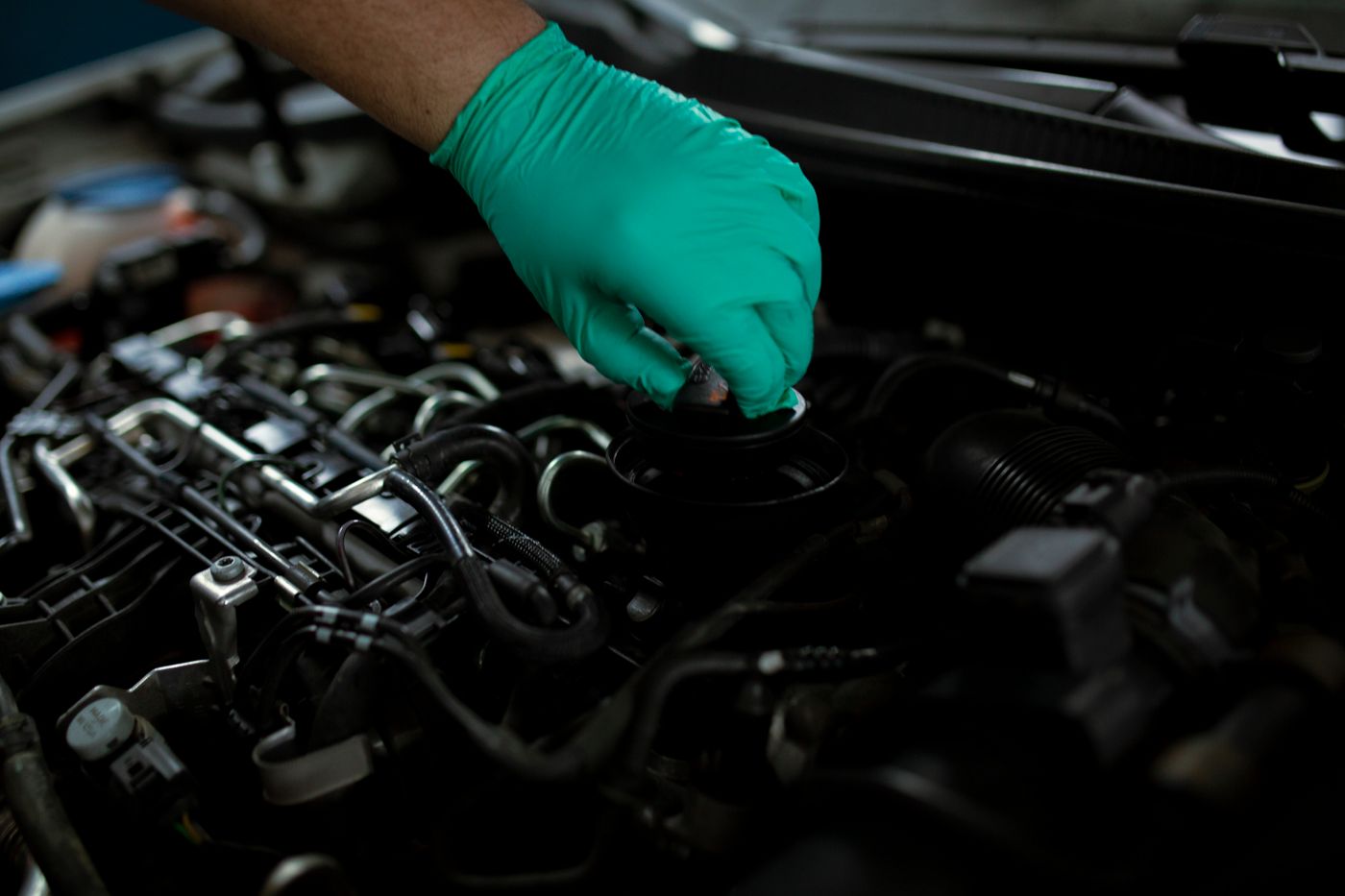
- The old “every 3,000 miles” rule is left over from older engines and older oil. Most modern cars go longer.
- A common range today is 5,000 to 7,500 miles on conventional oil, and 7,500 to 10,000 on full synthetic — but your owner’s manual has the real number for your car.
- Here’s the twist: lots of short, stop-and-go local trips actually count as “severe” driving, which can mean changing it sooner.
- Not sure where you stand? We’ll check it and tell you straight, at no cost.
Ask ten people how often to change their oil and you’ll get ten answers, most of them ending in “3,000 miles” because that’s what their dad always said. For most cars on the road today, that number is doing you a disservice — either costing you money you don’t need to spend, or, on the flip side, lulling you into a schedule that doesn’t fit how you actually drive.
Let’s clear it up, because clean oil is genuinely one of the cheapest ways to make an engine last.
Where the 3,000-mile rule came from
Decades ago, engines were built to looser tolerances and oil broke down faster, so 3,000 miles made real sense. It stuck around long after the technology moved on — partly out of habit, and partly because “change it more often” is never bad for the shops selling the service. Today’s engines and oils are simply better, and most manufacturers now call for longer intervals.
How often modern cars really need it
The honest answer is: it depends on your car and your oil. Here’s the general lay of the land.
A holdover from older engines and oils. Most cars don’t need it nearly that often now.
A typical range for many of today’s engines running standard oil.
Synthetic lasts longer — but always go by what your engine calls for.
The single best source for your exact car is your owner’s manual. If you’ve misplaced it, the Car Care Council keeps a general service guide, and we’re always happy to look up the right interval for your make and model.
The catch: short local trips count as “severe”
Here’s what most people miss. Most manuals list two schedules — “normal” and “severe” — and a lot of everyday driving quietly falls into severe. Short trips where the engine never fully warms up, lots of stop-and-go, towing, and cold winters all count.
That describes a good chunk of driving around Goshen: quick runs across town, errands, school pickups, and cold mornings. If that’s your life, the shorter end of your manual’s range is often the right call, even with synthetic oil.
Signs you’re overdue
Ideally you change it on schedule and never see these. But if you notice any of them, don’t wait.
A ticking or tapping from the engine
Low or worn-out oil can make the engine tick or tap, especially on startup. Check your level first.
Dark, gritty oil on the dipstick
Fresh oil is amber and slick. If it’s black and feels gritty between your fingers, it’s past its prime.
The oil light — take it seriously
The oil pressure light is not a “soon” warning. If it comes on, stop driving and check your level, because running low on oil can do fast, expensive damage — and it can even lead to overheating.
When to bring it to us
An oil change is the simplest thing we do, and it’s also one of the most valuable — it’s a chance for us to put eyes on your car and catch small things early. If you’re not sure what interval fits how you drive, we’ll figure it out with you. Prices vary by vehicle and oil type, so we won’t quote it online, but we’ll always tell you what you need and what you don’t. See what we offer at our Goshen shop or book a visit whenever it’s time.
Quick answers
Is it bad to change my oil too often?
It won’t hurt your engine — but if you’re changing full synthetic every 3,000 miles, you’re likely spending money you don’t need to. Matching the interval to your car and your driving is the sweet spot.
Do I really need synthetic oil?
Many newer engines are designed for it, and some require it. Synthetic handles heat better and lasts longer. The right answer is whatever your manufacturer specifies — we can tell you what your engine calls for.
What happens if I go too long between changes?
Old oil stops protecting the way it should, which means more wear and heat inside the engine. Push it far enough and you risk real damage. It’s a cheap service that prevents expensive ones.
How much is an oil change?
It depends on your vehicle and the oil it takes, so we don’t list a price online. Give us a call and we’ll tell you what your car needs — no surprises.
Do you work on all makes and models?
Yes — domestic and import, cars and trucks.
Time for an oil change?
We’ll match the right interval to how you actually drive — and keep an eye out for anything else while we’re under the hood.
Schedule a Visit