

Winter Tires vs. All-Season Tires in Northern Indiana
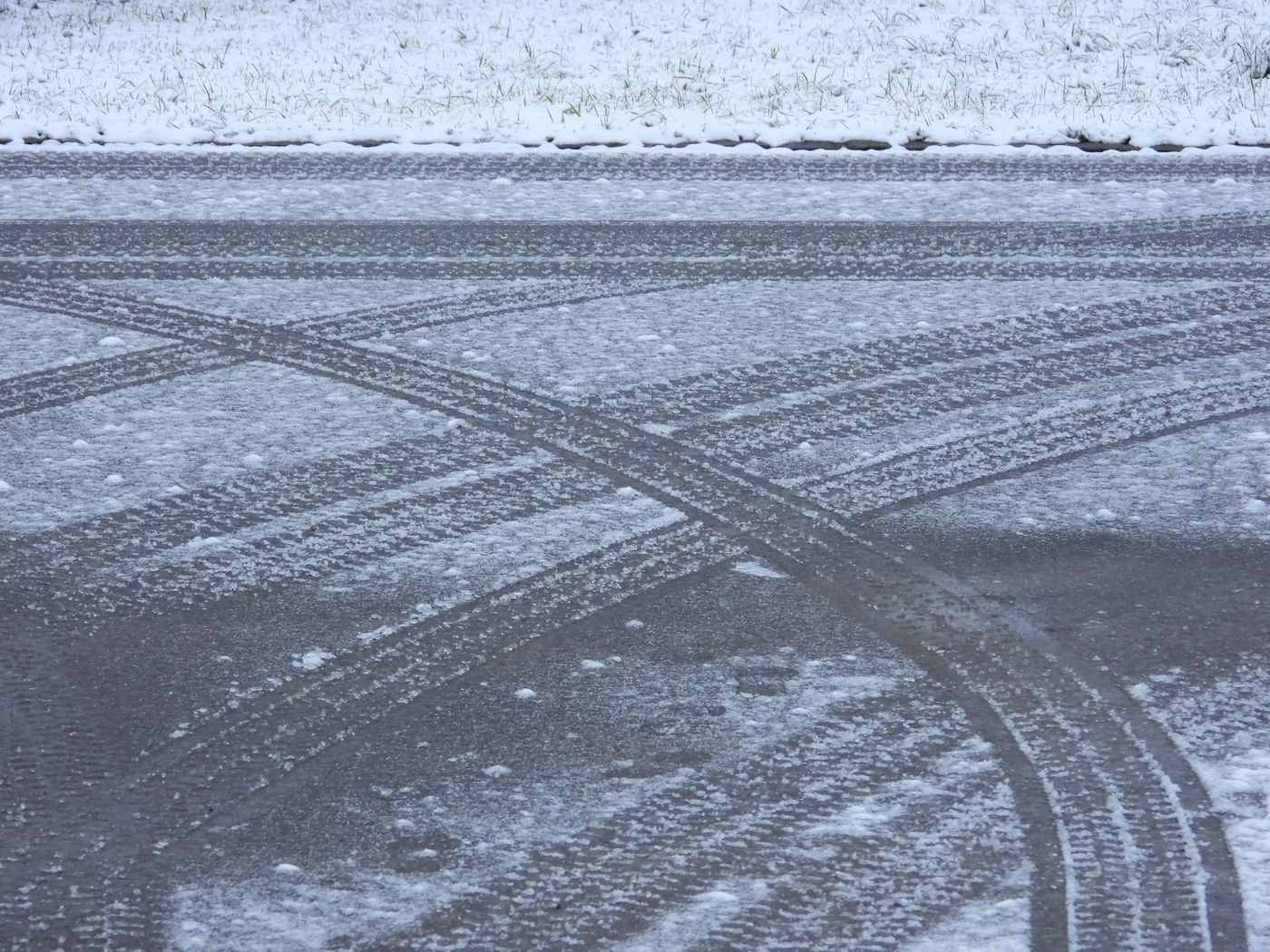
- Winter tires grip better on snow and ice. Consumer Reports’ testing consistently shows better starting grip in snow and better stopping on ice.
- The difference starts with temperature. Transport Canada says below about 45°F (7°C), all-season tires start to lose flexibility and traction.
- Worn tread matters more than tire type. A good all-season beats a bald anything.
- If you go with winter tires, put on all four, not just two.
- In Indiana, studded tires are legal October 1 through May 1.
Every fall somebody asks us the same thing: do I really need winter tires, or are my all-seasons good enough? It’s a fair question around here. We’re not Minnesota, but we’re not Kentucky either, and a bad week in January on a county road can change your mind fast.
Quick note before we dig in: we’re a repair shop, not a tire store. We don’t sell tires, so we don’t have anything to push on you here. This is just what the testing shows and what we see come through the shop.
What’s actually different about winter tires
It’s not just deeper tread. The big difference is the rubber itself. All-season tires are built to handle a wide range of temperatures, which means they get harder as it gets cold. Hard rubber doesn’t grip well. Transport Canada puts the tipping point at about 7°C, around 45°F, where all-season and summer tires start losing elasticity and traction.
Winter tires use a softer rubber that stays flexible in the cold. They also have deeper tread with lots of tiny slits, called sipes, that bite into snow and ice. That’s why they feel so different on a slick road.
Firmer rubber that lasts longer and handles well on dry and wet roads. Grip drops off as it gets colder and on snow and ice.
Soft rubber and aggressive tread built for cold, snow, and ice. Wears faster on warm, dry pavement.
A middle option you leave on all year. Look for the three-peak mountain snowflake symbol, which means it passed a snow traction test.
How much better are they?
Consumer Reports says its tests consistently show winter tires give better grip to get moving in snow and to stop on ice. They also say that if you have to drive in snowy conditions, winter tires outperform most all-season tires at both starting and stopping.
Stopping is the part that matters most. A winter tire won’t make you invincible, and it won’t save you from black ice at 60. But on a snowy morning, those extra feet of stopping distance are the difference between a close call and a call to your insurance company.
The tradeoff, according to Consumer Reports, is that winter tires can wear faster and don’t handle quite as well on clear, dry roads. That’s why people take them off in the spring.
Do you need them in Northern Indiana?
Honest answer: it depends on how and where you drive. Plenty of people in Goshen get through winter just fine on a good set of all-seasons. Here’s how we’d think about it.
Winter tires are worth a serious look if you:
- Drive early in the morning or late at night, before the plows have been through
- Live or work out on county roads that get cleared last
- Commute north toward Michigan, where lake-effect snow tends to hit harder
- Drive a rear-wheel-drive car or truck, which can be a handful in snow
- Can’t stay home on a bad day, like nurses, factory shifts, and anyone who just has to be there
Good all-seasons are probably enough if you: mostly drive in town on plowed roads, can wait out the worst storms, and keep your tires in good shape.
About all-wheel drive: AWD helps you get moving in snow. It does not help you stop or turn. Your tires do that. An AWD SUV on worn all-seasons can get going just fine and then slide right through a stop sign. Consumer Reports recommends winter tires for front, rear, and all-wheel-drive vehicles alike.
Tread depth matters more than the label
Here’s what we see most often: people debating winter vs. all-season when their real problem is that their tires are worn out. A tire with shallow tread can’t push snow and slush out of the way, and it starts to slide on top of it.
Do the penny test. Put a penny in the tread with Lincoln’s head pointing down. If you can see the top of his head, your tread is too shallow for winter, no matter what kind of tire it is. Check a few spots on each tire, because uneven wear is common. If one edge is wearing faster than the other, your alignment may be off. We explained that in why is my car pulling to one side.
And check the pressure once a month in winter. Tires lose air as the temperature drops, and a low tire grips worse and wears faster.
If you go with winter tires
- Put on four, not two. Transport Canada and Consumer Reports both recommend a full set of four. Winter tires on only one end can make the car spin or slide in a way you don’t expect.
- Timing: put them on once it stays cold, usually around late October or November here, and take them off in spring once temperatures stay above that 45°F mark.
- Consider a second set of wheels. Mounting winter tires on their own wheels makes the seasonal swap faster and easier on the tires.
- Studs are legal here, seasonally. The State of Indiana says studded tires are permitted from October 1 through May 1. Most people around here don’t need them, but they’re an option.
- A set lasts a few winters. Consumer Reports says that if you take them off in the off-season, you can typically get three or four seasons of good use.
We don’t sell tires, but if you pick up a set, we can put them on for you. Just give us a call.
The rest of winter prep
Tires are one piece of getting ready for winter. The battery is the other big one, and it’s the number one reason cars don’t start on cold mornings. Our full list is in how to get your car ready for a Northern Indiana winter.
If you want someone to look at your tread, brakes, battery, and alignment before the snow flies, get in touch or see everything we work on. We’ll check it out at no cost. And if winter still wins one, we tow too.
Quick answers
Are winter tires better than all-season tires in snow?
Yes. Consumer Reports’ tests consistently show winter tires start better in snow and stop better on ice. The tradeoff is faster wear and a little less handling on dry roads.
Do I need winter tires in Indiana?
Not everyone does. If you mostly drive plowed roads in town and can wait out storms, good all-seasons with plenty of tread usually do the job. If you drive rural roads early or late, or can’t stay home on bad days, winter tires are worth it.
Are studded tires legal in Indiana?
Yes, from October 1 through May 1, according to the State of Indiana.
Can I put winter tires on just the front?
It’s not recommended. Transport Canada and Consumer Reports both say to use a set of four so the car stays balanced and predictable on ice.
Do you sell tires?
No, we don’t sell tires. But if you buy a set, we can put them on for you, and we’re always glad to check your tread and alignment.
Ready for winter, top to bottom.
Tread checks, alignment, brakes, batteries, and winter prep at our Goshen shop.
See Our Services