

Why Is My Car Heater Blowing Cold Air?
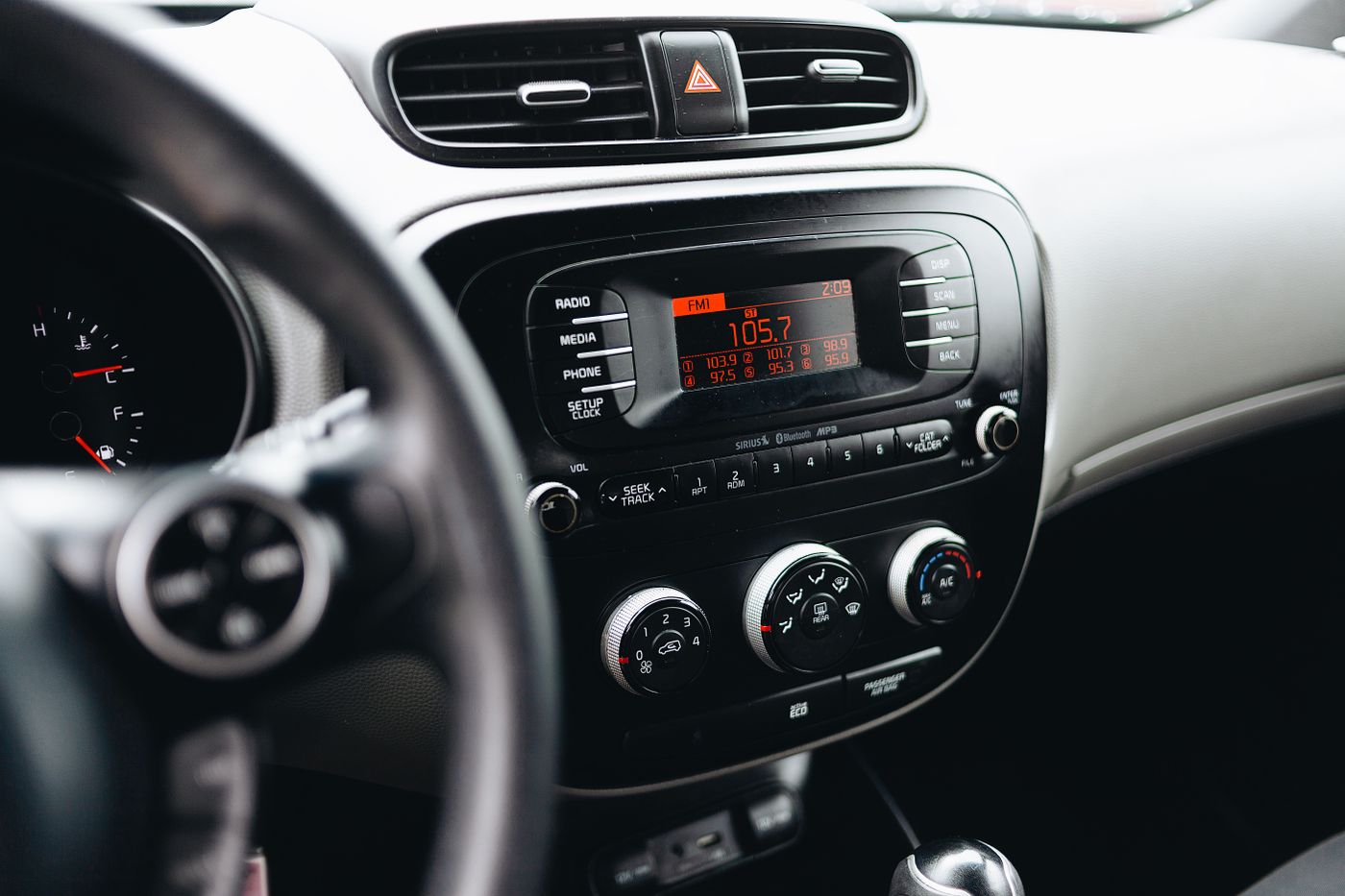
- A car heater blowing cold air runs on hot coolant from the engine. Most heater problems are really cooling system problems.
- The most common cause is low coolant. The second is a thermostat stuck open.
- Cold heat plus a rising temperature gauge is a warning. Pull over. That usually means the engine is low on coolant and about to overheat.
- If the temperature gauge never climbs to normal, suspect the thermostat.
- Hot on one side and cold on the other usually points to a blend door, not the engine.
The first frosty morning in Goshen shows up and you crank the heat, and it just blows cold. You give it ten minutes. Still cold. Now you’re driving to work with your hands tucked in your sleeves, wondering if this is going to be an expensive fix.
A car heater blowing cold air is sometimes an expensive fix. A lot of the time it is not. And one version of this problem is actually a warning that you need to pay attention to right away, so let’s start with how the heater works.
How your car heater works, and why it blows cold air
Your car doesn’t have a separate heater like your house does. It borrows heat from the engine. Coolant runs through the engine, picks up heat, and some of it gets sent through a small radiator behind your dashboard called the heater core. A fan blows air across it and into the cabin.
So a car heater blowing cold air almost always means one of three things: hot coolant isn’t getting to the heater core, the engine isn’t getting hot enough, or the air is being sent the wrong way on its way to you.
That’s also why the heater and the cooling system are so closely linked. It’s the same reason turning the heat on full can help pull heat away from an engine that’s running hot, which we talked about in why is my car overheating.
Five causes of a car heater blowing cold air
By far the most common. Not enough coolant means none reaches the heater core. It also means there’s a leak somewhere.
The engine never fully warms up, so the heat is lukewarm at best. The temperature gauge sits low.
An air bubble can get trapped in the heater core, often after a coolant top-off or repair. Heat comes and goes.
Old coolant leaves buildup that blocks flow. The engine runs at normal temperature but the heat stays weak.
A small door behind the dash mixes hot and cold air. If its motor fails, it can get stuck on cold.
Cold heat with a rising temp gauge: stop driving
This is the one we want everyone to know. If your heater suddenly goes cold and the temperature needle starts climbing, the engine is probably low on coolant. There’s not enough left to reach the heater, and soon there won’t be enough to keep the engine cool either.
Pull over somewhere safe and shut it off. Don’t open the radiator cap while it’s hot. The system is under pressure and hot coolant can spray out and burn you. Driving a car in this condition is how a small leak turns into a warped cylinder head or a blown head gasket.
How to tell the difference: look at your temperature gauge. Gauge climbing toward hot = low coolant or a failing water pump, stop driving. A needle that stays low and never reaches the middle = thermostat stuck open, safe to drive in but get it fixed. Gauge normal, heat still cold = heater core, air pocket, or blend door.
If you’re not sure whether it’s safe to keep going, the checklist in can you drive it, or do you need a tow will help you decide.
What you can check yourself
With the engine completely cool (first thing in the morning is best), open the hood and find the coolant overflow tank. It’s usually a see-through plastic jug with “min” and “max” lines. If the level is below the minimum line, that’s likely your problem.
You can top it off with the coolant type listed in your owner’s manual. But remember, coolant doesn’t just disappear. If it’s low, it’s leaking somewhere: a hose, the radiator, the water pump, or the heater core itself. A sweet smell inside the car or a foggy film on the inside of the windshield can mean the heater core is leaking.
Other quick clues:
- Heat works while driving but goes cold at idle: often low coolant or a weak water pump.
- Hot on the driver’s side, cold on the passenger side (or the reverse): usually a blend door on cars with dual-zone climate control.
- You can hear the fan but barely feel air: check the cabin air filter. A clogged one chokes the airflow.
- No air at all on some fan speeds: that’s the blower motor resistor, a separate and usually simple fix.
Why you want it fixed before real winter
A car heater blowing cold air in October is uncomfortable. A cold heater in January is a safety problem. Your defroster runs on the same heat. Without it you can’t clear frost and fog off the windshield, and you end up driving with a little hole scraped in the glass.
And since most causes trace back to the cooling system, ignoring it risks the engine too. A slow coolant leak that shows up as weak heat in the fall can leave you stranded on a cold morning later.
If your heat works but you’re wondering about the best way to use it on a cold start, we covered that in why you shouldn’t blast your car heater right away. And if it’s the other end of the year that’s giving you trouble, here’s why your AC blows warm air.
What we’ll check
For a car heater blowing cold air we start with the coolant level and a pressure test to find any leak, then check the thermostat, water pump, and whether coolant is actually flowing through the heater core. If the engine side is healthy, we move to the blend door and controls behind the dash.
Costs vary a lot depending on the cause. A thermostat is a very different job from a heater core buried behind the dashboard. We’ll check it out at no cost and tell you exactly what we found before any work starts. See everything we work on or reach out here.
For more on keeping the cooling system healthy, the Car Care Council’s guide and AAA’s repair basics are both worth a look.
Quick answers
Why is my car heater blowing cold air?
Most often the coolant is low, so hot coolant never reaches the heater core. The next most common cause is a thermostat stuck open, which keeps the engine from warming up. Air pockets, a clogged heater core, or a stuck blend door are the other usual suspects.
My heater is blowing cold and my engine is overheating. What do I do?
Pull over and shut the engine off. That combination usually means the engine is low on coolant. Don’t open the radiator cap while it’s hot, and don’t keep driving. Call for help.
Why does my heater only blow hot air when I’m driving?
If it goes cold at idle and warms up with speed, the coolant is often low or the water pump is weak. Check the coolant level with the engine cold, and have it looked at soon.
Can I drive with a broken heater?
If the temperature gauge reads normal, yes, but your defroster won’t work well, which is a real visibility problem in winter. If the gauge is climbing, don’t drive it.
Is a heater core expensive to fix?
It can be, because on many cars it sits deep behind the dashboard. That’s why it’s worth ruling out the simpler causes first. Costs vary by make and model, and we’ll check it out at no cost.
Get your heat back before winter does.
Cooling system, thermostat, heater core, and climate controls, diagnosed at our Goshen shop.
See Our Services