

Why Is My Car Overheating?
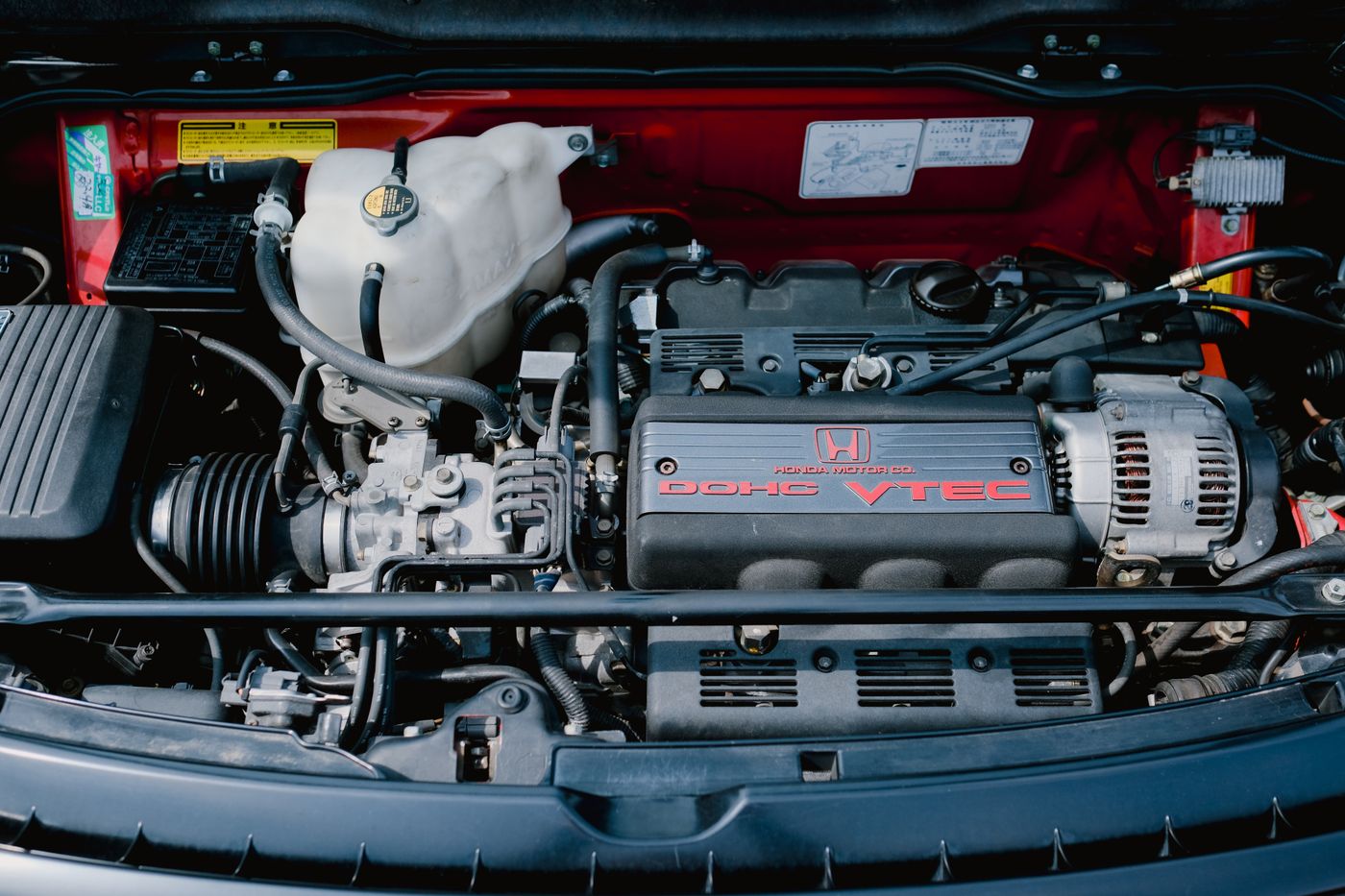
- Overheating almost always traces back to the cooling system — low coolant, a stuck thermostat, a tired water pump, a clogged radiator, or a dead fan.
- If the needle climbs into the red, pull over and shut it off. A few minutes of heat can turn into a cracked head or a warped engine.
- There are a couple of things you can safely check yourself — and one thing you should never do.
- We pressure-test the system to find the real cause. Costs vary by make and model, and we’ll check it out for you at no cost.
Few things spike your pulse like watching the temperature needle drift toward the red on a hot afternoon, stuck at a light on the 33 bypass. Your first instinct is usually to keep going and hope it settles. That’s the one thing that can turn a small fix into a big one.
The good news is that most overheating comes from a handful of ordinary parts, and if you catch it early, the repair is usually straightforward. Here’s what’s actually happening, what to do in the moment, and how to keep it from leaving you stranded.
What overheating actually is
Your engine makes a tremendous amount of heat, and the cooling system’s whole job is to carry that heat away and dump it into the air. Coolant circulates through the engine, picks up the heat, and the radiator sheds it. When any link in that loop weakens — not enough coolant, nothing pushing it, or nowhere for the heat to go — the temperature climbs.
That’s why overheating is really a symptom, not a diagnosis. The needle going up tells you something in the cooling system needs attention; it doesn’t tell you what. Finding the what is the part that saves you money.
What to do the second it starts
If your temperature gauge is climbing or you see steam, treat it as a stop-driving situation. Heat is what does the real damage, and it does it fast.
Turn the heat on, then pull over
It sounds backwards on a 90-degree day, but turning your cabin heat to full pulls heat off the engine and buys you a minute. Use that minute to get safely off the road — a shoulder, a parking lot, wherever you can stop without traffic behind you.
Shut the engine off and let it rest
Once you’re stopped, turn it off. The longer it runs hot, the more you risk. Give it time to come down before you even think about looking under the hood.
Never do this: do not open the radiator cap or coolant reservoir while the engine is hot. The system is under pressure, and hot coolant can spray out and cause serious burns. Wait until everything is completely cool, or let us handle it.
The five usual causes
Nine times out of ten, an overheating engine comes back to one of these. They feel the same from the driver’s seat, which is exactly why a proper pressure test is worth it.
Not enough coolant to carry the heat away. The most common cause, often from a small leak.
Stuck closed, so coolant stops circulating and the temperature climbs fast.
The pump that moves coolant gives out, and the engine can’t shed its heat.
Buildup or debris keeps the radiator from doing its job.
The fan quits, so it runs hot at idle or in stop-and-go traffic.
There’s some overlap with your air conditioning, too. If your AC is also blowing warm, the cooling fan or a hot engine bay can be part of the same story, and it’s worth looking at both together.
Why Goshen summers make it worse
Our stretch of northern Indiana is hard on cooling systems in July and August. Stop-and-go around downtown and the bypass means your car sits and idles in the heat, where it depends most on the fan instead of airflow. Add the humidity, and a system that was “good enough” in spring finally shows its weak spot.
Towing and long, loaded highway runs pile on more. If you’re hauling up to the Michigan lakes for the weekend or pulling a trailer, the engine works harder and runs hotter — and that’s often when a marginal water pump or a slow leak finally gives up.
How to keep it from happening
Most overheating is preventable with a little attention. Keep an eye on your coolant level, glance at the temperature gauge now and then, and don’t ignore a small puddle under the car or a sweet smell after you park — that’s often coolant. Staying current on basic maintenance keeps the whole engine running cooler and catches small leaks before they strand you. The national nonprofit Car Care Council keeps a simple maintenance guide that’s worth a look, and AAA has good plain-English advice on cooling systems too.
When to bring it to us
If your car has overheated even once, it’s worth having the cooling system checked before you drive it much further. We pressure-test the system, find where the heat or the coolant is going, and give you a straight answer. Costs vary a lot by make, model, and what’s actually failed, so we won’t throw a number at you online — but the check to find out what’s going on is on us, at no cost. You can see what we work on at our Goshen shop or just reach out and we’ll take care of you.
Quick answers
Can I keep driving if it only overheats a little?
It’s not worth the risk. Even running a bit hot for a while can damage the engine, and once the head or gasket goes, you’re looking at a much bigger repair than whatever caused the overheating. If the gauge is climbing, stop and let it cool.
How do I know if it’s just low on coolant?
Once the engine is completely cool, you can check the coolant reservoir level. Low coolant is a common cause — but if it’s low, it usually means there’s a leak somewhere, so topping it off is a temporary fix, not a real one.
Can I just add water to get home?
In a pinch, water can get you a short distance once the engine is cool — but it isn’t a substitute for proper coolant, and it won’t fix whatever caused the problem. Get it looked at soon after.
Is overheating expensive to fix?
It really depends on the cause and your vehicle, so we don’t give ballpark numbers online. What we’ll do is check it out at no cost, find the real issue, and tell you exactly what it needs before any work starts.
Do you work on all makes and models?
Yes — domestic and import, cars and trucks. If it has a cooling system, we can help.
Running hot? Let’s find out why.
Bring it by before a small cooling issue turns into a big engine repair. Honest diagnosis, at no cost, before any work starts.
Schedule a Visit