

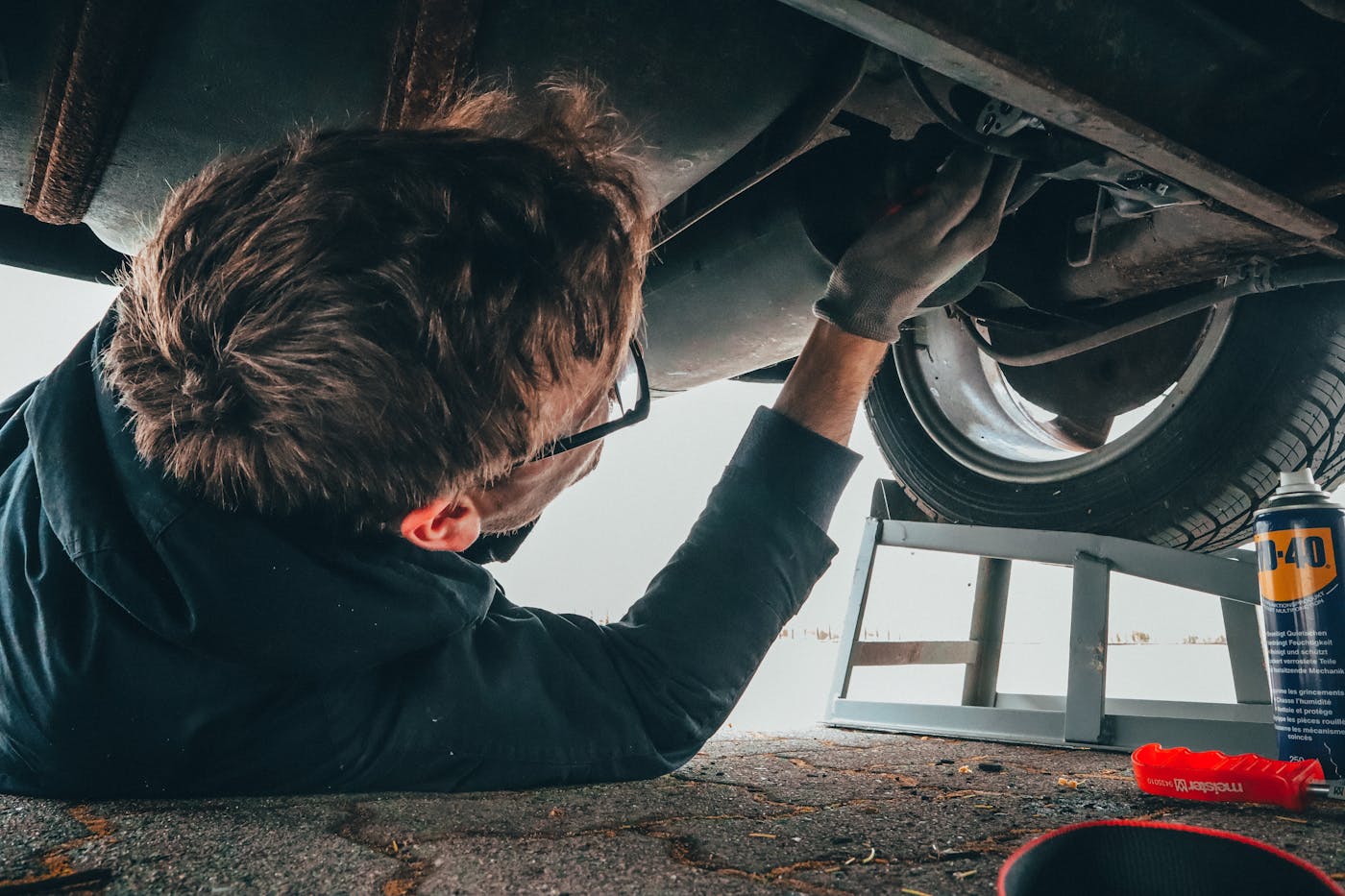
- The most common signs your transmission is going out: slipping, late or hard shifts, a burning smell, and red fluid under the car.
- Low or burnt fluid causes a lot of these problems. It is the first thing we check.
- A transmission rarely dies all at once. It warns you for weeks.
- Catching it early can mean a small fix instead of a whole new transmission.
- Not sure it is safe to drive? Do not push it. A tow costs less than a ruined transmission.
Most people find out their transmission is going out on a cold morning. The car sits in drive a second too long before it moves. Or it revs up on the US-33 bypass and does not seem to go any faster.
That feeling is your transmission asking for help. The good news is that it usually asks for a while before it quits.
Here is what to watch for, what each sign means, and when to stop driving it. This is the same list we go through when a car rolls into our bay on Co Rd 138 in Goshen.
Six signs your transmission is going out
You do not need to know how a transmission works to spot trouble. You just need to notice when the car stops acting normal.
The engine revs up, but the car does not speed up to match. It can feel like the car slipped out of gear for a second.
It waits too long to shift, then slams into the next gear. Or it clunks when you put it in drive.
You put it in drive or reverse and nothing happens for a second or two. Then it catches with a jolt.
A sharp, hot smell after driving. That is often old or low fluid running too hot.
Transmission fluid is usually red when it is new. A spot near the middle of the car is a clue.
Many cars turn on the check engine light or a transmission light when they see a problem.
One sign alone does not mean your transmission is going out. Two or three together is when we get worried.
What causes it most of the time
People hear "your transmission is going out" and expect the worst. But a lot of the trouble we see starts with something smaller.
- Low fluid. Fluid leaks out slowly through a seal or a line. When it gets low, the transmission cannot shift right.
- Old, burnt fluid. Fluid wears out. Once it turns dark and smells burnt, it stops protecting the parts inside.
- A sensor or solenoid. Newer transmissions are run by a computer. One bad electrical part can make the whole thing shift wrong.
- Worn parts inside. This is the expensive kind. It usually shows up after the warning signs were ignored for a while.
The Car Care Council says that for the longest life, automatic transmission fluid and filter should be changed every 24,000 to 36,000 miles. Your owner's manual may say something different, so check it. Most people we meet have never had it done at all.
Quick check you can do at home. Park on flat ground and look under the car the next morning. A red or reddish brown spot under the middle of the car is a good reason to call. Our post on why your car is leaking oil can help you tell oil apart from other fluids.
Why winter makes it worse here
Cold weather is hard on a tired transmission. Fluid gets thick when it is cold. A transmission that shifts fine in July can slip or hesitate on a ten degree morning in Goshen.
Towing makes it worse too. This is RV country. A lot of folks around Elkhart County pull campers, boats, and work trailers up to the Michigan lakes and back. That weight builds heat, and heat is what wears a transmission out the fastest.
If you already suspect your transmission is going out, the first real cold snap is often when it gets worse. Our Northern Indiana winter checklist covers the rest of what to look at before then.
Is it safe to keep driving?
Here is the honest answer. A slipping transmission can leave you stuck at the worst time, like merging onto SR-15 or pulling out on a busy road. And every mile you drive on a bad one can turn a smaller repair into a bigger one.
Stop driving it if:
- It slips more than once on the same trip.
- It will not go into gear, or drops out of gear while driving.
- You smell burning and see smoke.
- The car shakes hard or bangs when it shifts.
If any of those happen, park it and call. A tow is cheaper than finishing off a transmission. Not sure? Our guide on whether to drive it or tow it walks through the call. We run flatbeds, which is the right way to move most cars with a sick transmission. You can see more on our towing page.
Repair, used, or rebuilt?
Once we know what is wrong, there are usually a few ways to fix it. Which one makes sense depends on the car, the miles, and how long you plan to keep it.
- A small repair. A leak, a sensor, or a fluid service. This is the best case, and it is more common than people think.
- A used transmission. We have a salvage yard behind the shop. A good running transmission out of another car is often a smart choice for an older vehicle. Read more in our post on used auto parts vs. new.
- A rebuilt or new transmission. The best choice for some cars, especially newer ones you plan to keep for years.
What does a transmission repair cost? Costs vary by make and model. Call us and we can check it out at no cost, then tell you straight which of these makes sense.
What we do when you bring it in
First, we listen. Think your transmission is going out? Tell us when it slips. Is it hot or cold? Uphill? You know your car better than anyone, and those details save time.
Then we check the fluid level and condition, scan for trouble codes, and take it for a drive. Most of the time that tells us whether it is a simple fix or a bigger job before anything comes apart.
Transmission repair and replacement is one of the jobs we do every week. You can see the full list on our auto repair services page. Want a second look at a quote you got somewhere else? That is fine too. For a general idea of what good shops should do, AAA's auto repair guide is a solid place to start.
Quick answers
What are the first signs a transmission is going out?
Slipping, late or hard shifts, a delay when you put it in drive, a burning smell, and red fluid under the car. Most transmissions show one or more of these for weeks before they fail.
Can low transmission fluid cause slipping?
Yes. Low fluid is one of the most common reasons a transmission slips or shifts late. It is also one of the cheapest things to fix if you catch it early.
How long can I drive with a slipping transmission?
There is no safe number of miles. Every trip can make the damage worse, and it can leave you stuck in traffic. If it slips more than once, park it and call.
How much does it cost to fix a transmission?
Costs vary by make and model. Call us and we can check it out at no cost, then tell you which repair actually makes sense.
Do you sell used transmissions?
We have a salvage yard behind our shop in Goshen. Call with your year, make, model and VIN and we will check what we have. We can install it in our own bay too.
Shifting funny? Let us take a look.
Transmission repair in Goshen, with a used parts yard and a flatbed under the same roof.
Call (574) 533-9081