

Why Won't My Car Start?
- Most no-starts come down to three parts: the battery, the starter, or the alternator.
- The sound it makes when you turn the key is your biggest clue — a slow crank, a single click, or dead silence each point somewhere different.
- There are a few safe things you can check before you call for a ride.
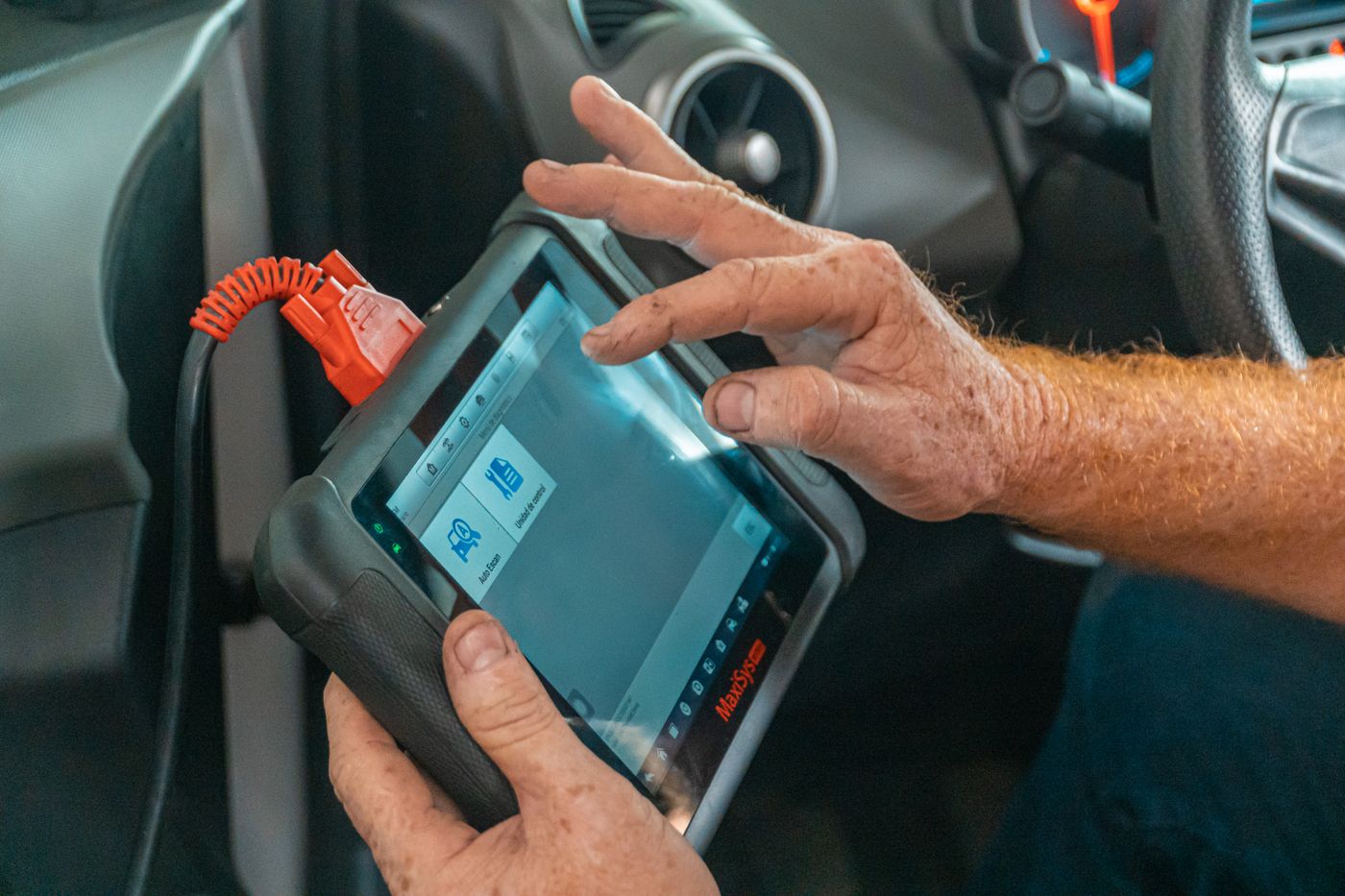
- We test the whole starting and charging system to find the real cause — and that check is at no cost.
You’re already running late, you drop into the seat, turn the key, and… nothing. Or a click. Or a slow, tired groan that never quite catches. It’s one of the most stressful things a car does — and one of the most common calls we get, especially on the first cold mornings.
Here’s the reassuring part: a car that won’t start is usually telling you exactly where to look, if you know how to listen. Let’s walk through it.
The three usual culprits
When a car won’t start, it’s almost always one of three things. The battery stores the power. The starter uses that power to spin the engine over. The alternator recharges the battery while you drive. When any one of them falls behind, you’re stuck in the driveway.
They’re easy to confuse, which is why people replace the wrong part all the time. The trick is to listen before you spend a dime.
How to tell them apart
Turn the key (or push the button) and pay attention to what happens. That first second tells us more than almost anything.
Dash lights fade, you hear a slow “rurr-rurr,” or it’s dead silent. The most common one.
A single click with a healthy battery usually points right at the starter.
It was running, then died — often with a battery light on. The alternator wasn’t keeping up.
A dashboard warning light can add to the picture, too. If a battery or charging light came on before the trouble started, that’s a strong hint toward the alternator. If you’re hearing odd noises along with it, that’s worth mentioning when you bring it in.
What you can safely check
A few of these you can do in your own driveway, no tools required.
Look at your dash lights
Turn the key to the “on” position without starting. If the dash lights are dim or flickering, that leans toward a weak battery. Bright, steady lights that still won’t crank leans the other way.
Check the battery terminals
Pop the hood and look at the battery posts. Crusty, greenish buildup on the terminals can keep a perfectly good battery from doing its job. That’s a common, easy fix.
Try a jump — and notice what happens
If a jump gets you going but it dies again shortly after, that points more toward the alternator than the battery. If it starts and stays running, you may just need a battery.
Why cold Goshen mornings are hard on it
Batteries hate cold. As our nights cool off heading into fall and winter, a battery that was fine all summer suddenly doesn’t have the punch to turn the engine over on a frosty morning. It’s no coincidence that no-start calls climb the first week the temperature drops.
If your battery is a few years old, the change of seasons is a good time to have it tested before it leaves you stranded in a parking lot. A quick check now beats a tow later. AAA has good background on battery life and cold-weather starting if you want to read up.
When to bring it to us
If your car won’t start and a jump doesn’t sort it out — or you’d rather not guess — we’ll test the battery, the starter, and the charging system together so you replace the part that actually failed, not the one you guessed at. Costs depend on your vehicle and what it needs, so we don’t quote numbers online, but the testing to find the problem is at no cost. Take a look at what we handle at our Goshen shop or get in touch and we’ll get you rolling again.
Quick answers
My car started after a jump — am I fine now?
Maybe, maybe not. If it starts and keeps running normally, you may just have needed a battery. If it dies again a little while later, the alternator probably isn’t recharging the battery, and a jump only masks that. Worth a quick test either way.
How long should a car battery last?
It varies, but most batteries are good for a handful of years. Cold winters and lots of short trips shorten that. If yours is getting up there in age, having it tested at the change of seasons is cheap insurance against a no-start.
It clicks once but won’t turn over — what is that?
A single click with a battery that seems fine often points to the starter. It’s worth confirming with a proper test before replacing anything, since a very weak battery can sometimes sound similar.
How much does it cost to fix?
It depends on which part failed and what you drive, so we don’t put a number on it online. We’ll test the whole system at no cost and tell you exactly what it needs before doing any work.
Do you work on all makes and models?
Yes — domestic and import, cars and trucks alike.
Won’t start? We’ll get you going.
Battery, starter, or alternator — we’ll test all three and find the real one, at no cost, before any work starts.
Schedule a Visit